

EIN number 99-0406789

opteamwork1@gmail.com

+1 401 831 8300

235 Plain Street, Suite 201
Providence, Rhode Island, 02905
Providence, Rhode Island, 02905

Performed by: Manh Quan - Minh Nhat 20/03/2026 - 15:23
Early in the morning at Hanoi Children's Hospital, TA (12 years old, from Thanh Hoa province) sat quietly on her hospital bed, listening to the doctor talk with her family. When the doctor gently lifted her chin to examine her, she trembled slightly, her hands clasped together—a familiar reaction of a girl who had lived for many years with self-consciousness due to a facial defect.

“While she was still in her mother's womb, the family didn't detect any birth defects. Only after she was born did we find out that one of her ears was almost completely missing, and the left side of her face was also significantly flattened. She has hearing problems and has to tilt her head to one side to hear better. At school, she's often teased by her friends, which makes her very self-conscious,” shared Mr. Le Huy Hien, father of Le Trang Anh, from Thanh Hoa province, before his daughter went into surgery.

The mother, at this moment filled with mixed emotions, silently watched her child's examination process from outside the hospital room.
For the past 12 years, what has tormented the family is not only the physical deformity, but also the feeling of helplessness watching their child grow up with insecurities. At school age, when friends started paying more attention to their appearance, the facial asymmetry made the child even more withdrawn.

According to Dr. Nguyen Thi Ngoc Lan, Head of the Maxillofacial Surgery Department at Hanoi Children's Hospital, the child was diagnosed with congenital hemifacial atrophy.
Not only is the left ear almost non-existent, but the child also suffers from hypoplasia of both bone and soft tissue on the left side of the face. The cheekbones, upper jaw, and lower jaw are all underdeveloped. This deficiency leads to misaligned teeth, malocclusion, and uneven bite surfaces, affecting chewing function.
According to Dr. Lan, in cases like TA's, treatment must be divided into several stages.
"At her age, the immediate goal is to improve her facial appearance to reduce insecurities and help her feel more confident in her daily life and studies. Micro-fat grafting is a suitable method because it is minimally invasive, leaves no scars, and can be repeated if needed," said Dr. Lan.
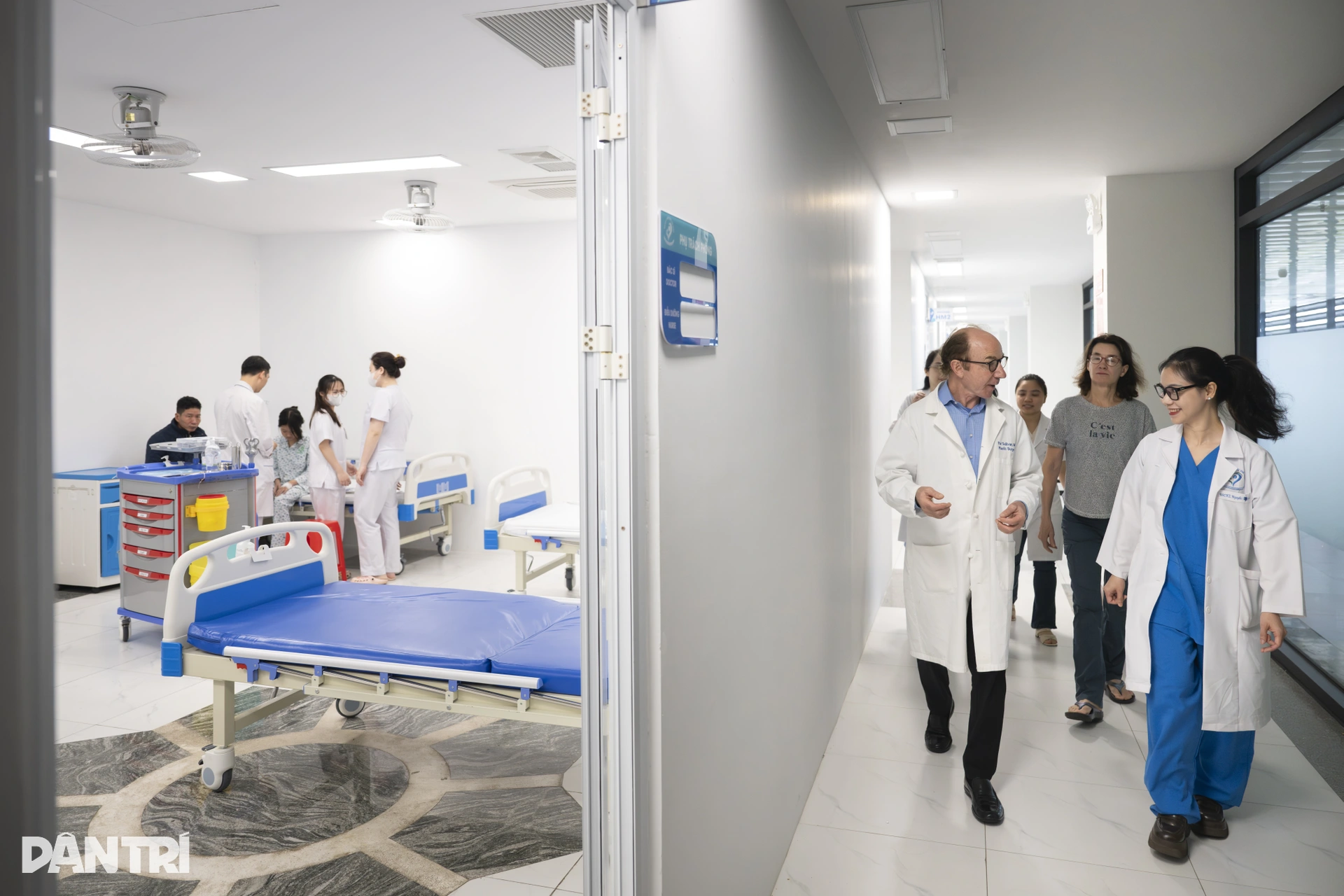
This was a special surgery, a collaboration between the medical team from Hanoi Children's Hospital and the American medical team from the Nuoy Foundation (USA) in a two-week campaign to support surgeries for children with congenital facial deformities.
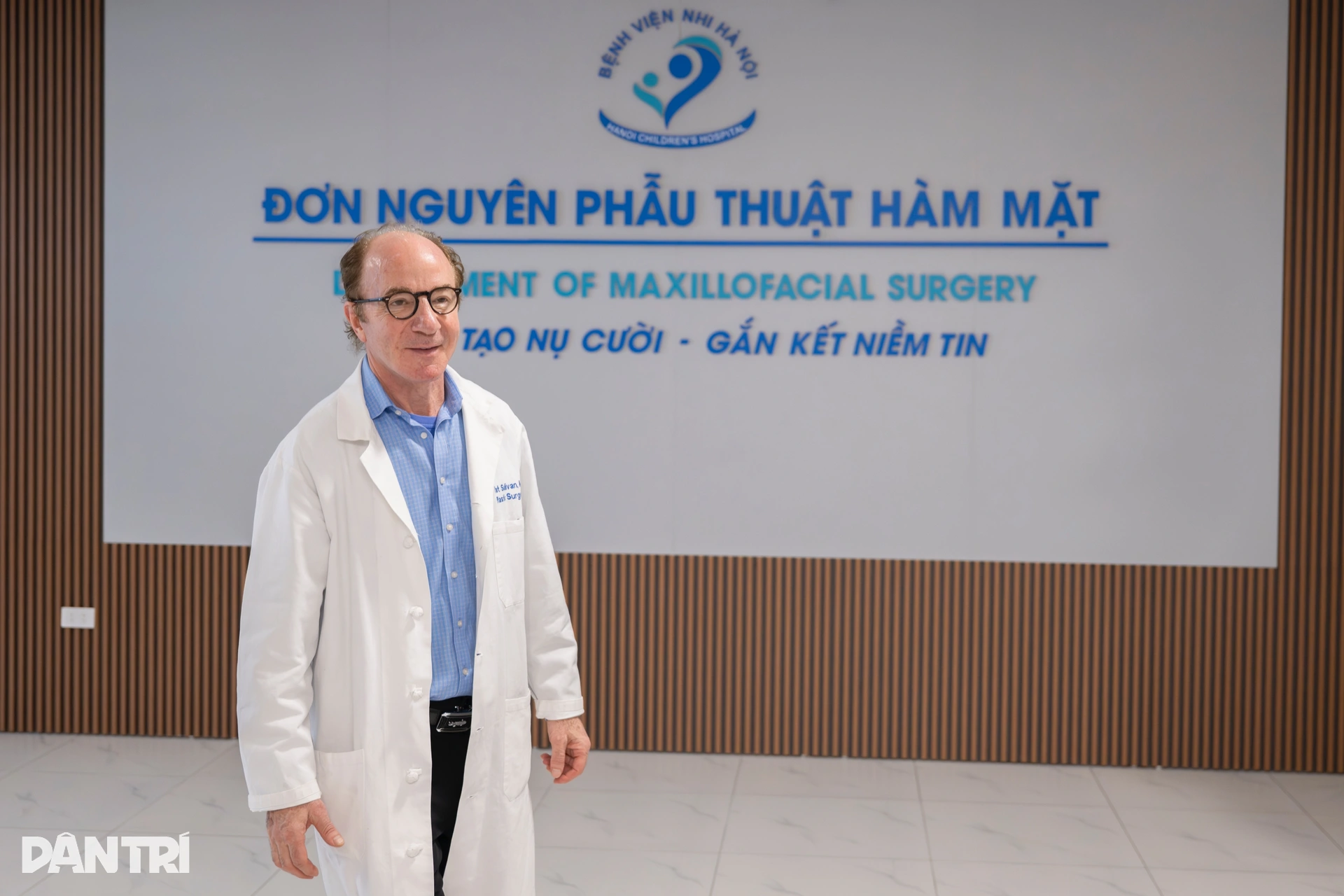
Dr. Pat Sullivan, the lead surgeon, is an American expert in fat grafting who has performed approximately 1,300 fat grafting procedures on children with congenital deformities in the United States and has spent many years traveling to Asian countries to perform surgeries and train local doctors.
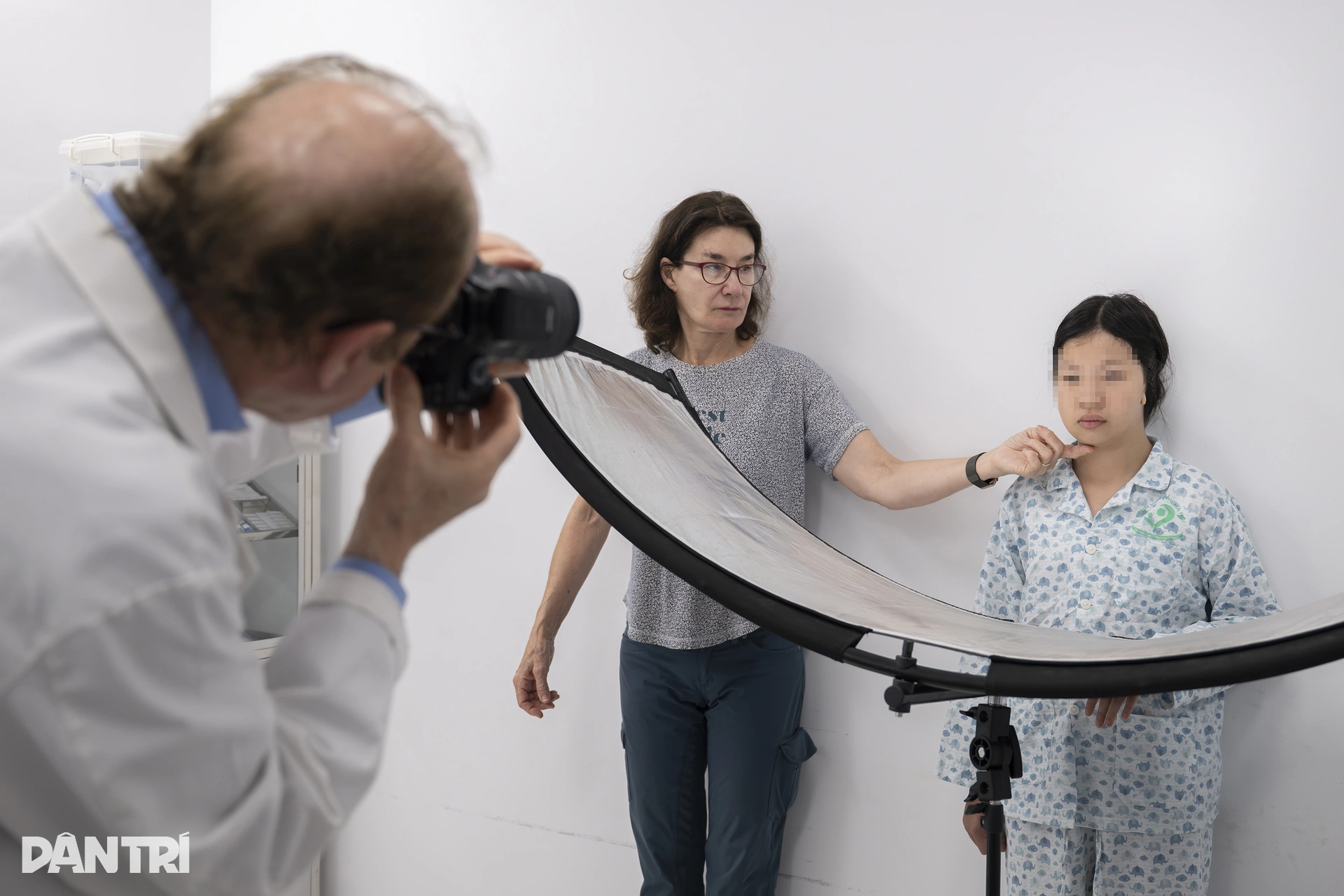
Before the surgery, the child's face was standardized and photographed. In the imaging room, the child's face was fully captured from all angles under standard lighting. These images help the doctor accurately compare the differences between the two sides of the face.
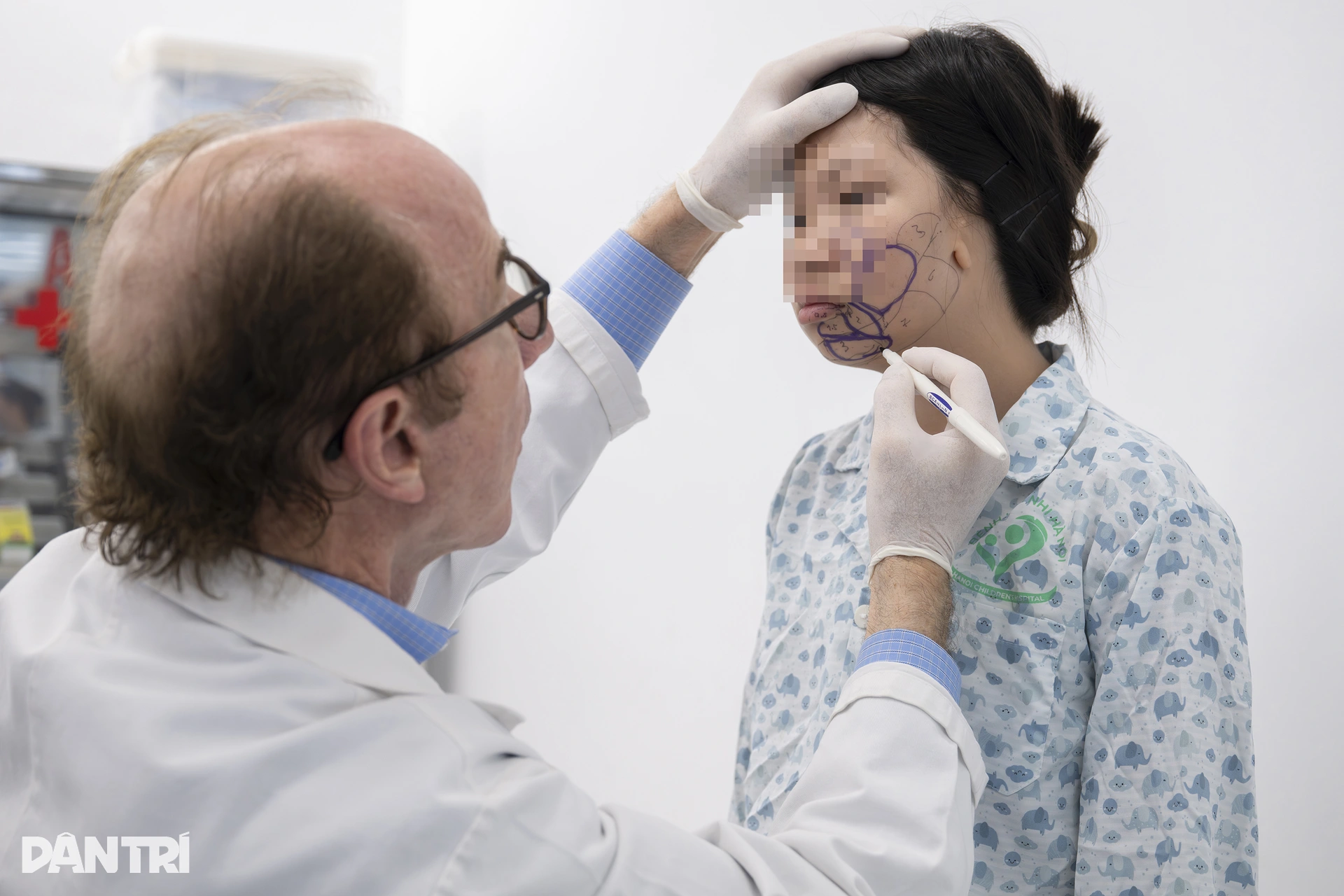
Dr. Sullivan personally examined the child, using a specialized pen to mark the areas on the child's face that required intervention. These lines became the "map" for the surgery.
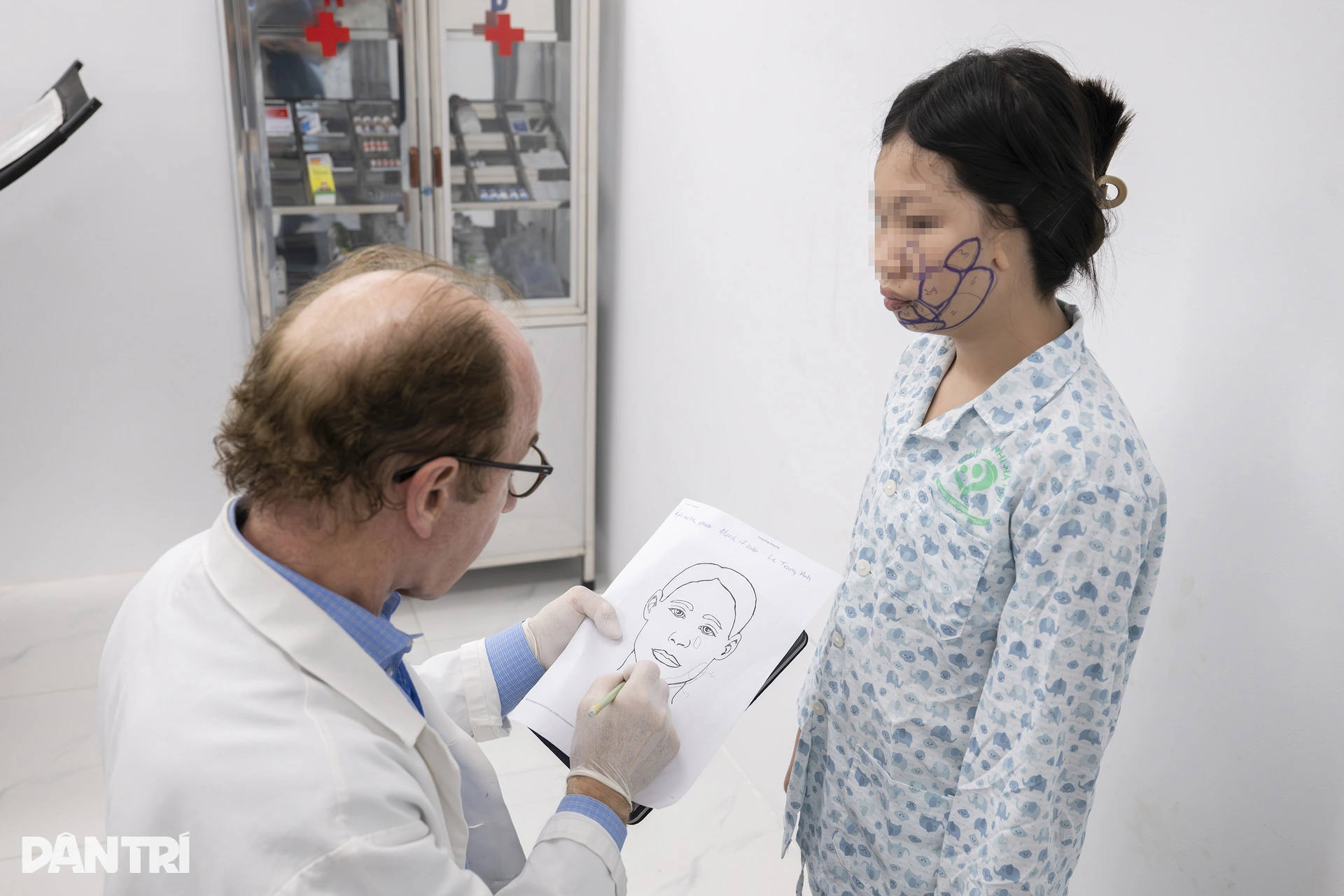
Simultaneously, CT data is analyzed to assess the extent of bone and tissue deficiency. From this, the team develops a detailed fat injection plan for each area: cheeks, cheekbones, nasolabial folds, jawline, and around the mouth.
"We have to calculate very precisely; we can't inject based on intuition. We use the normal side as a standard, then determine how much fat is missing on the deformed side and where the deficiency is located in order to distribute the appropriate amount," Dr. Lan explained.
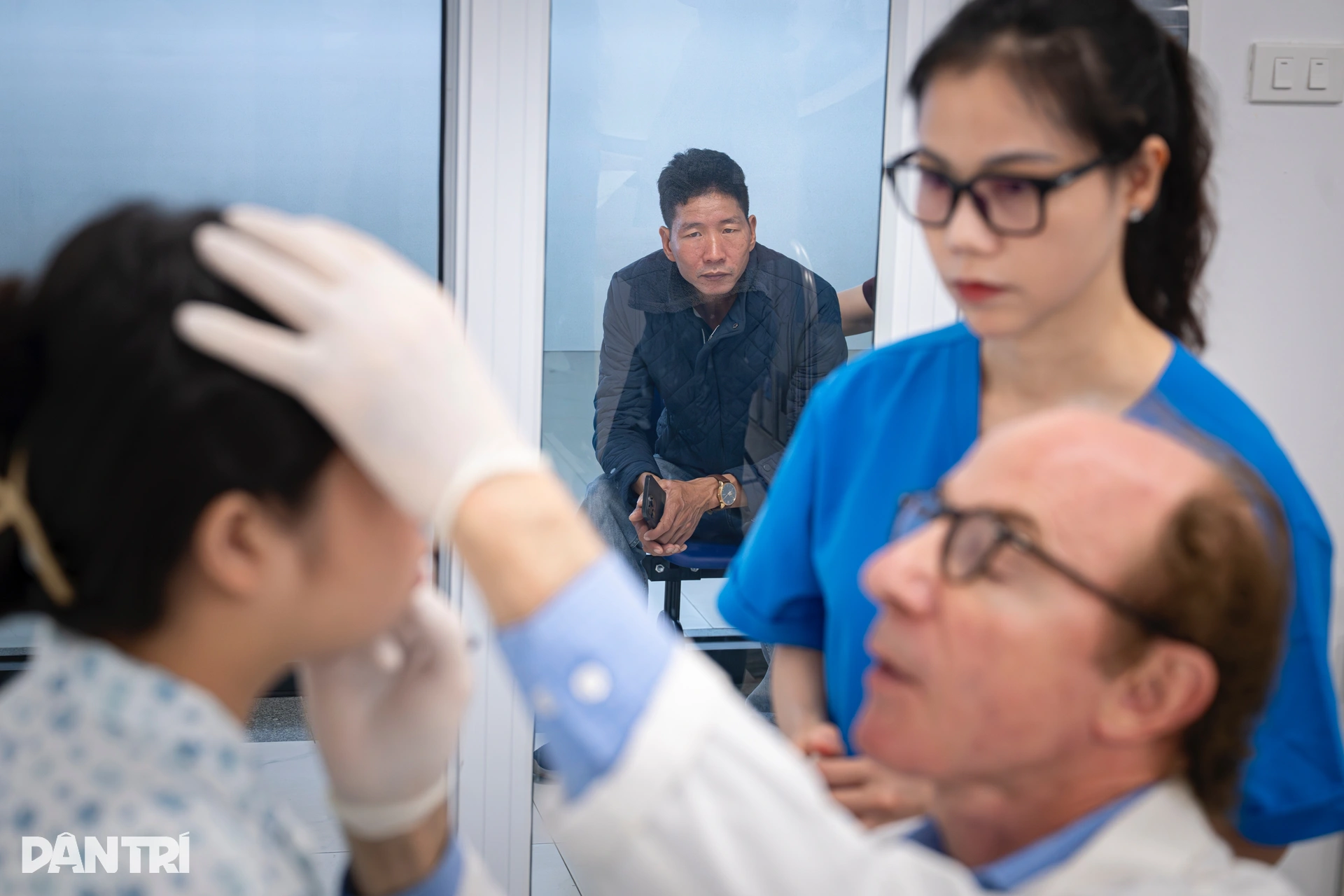
"Hearing that a team of American experts was coming to collaborate on the surgery, my family was overjoyed. We just hope our child will feel less self-conscious and more confident when going to school and interacting with people," Mr. Hien said.
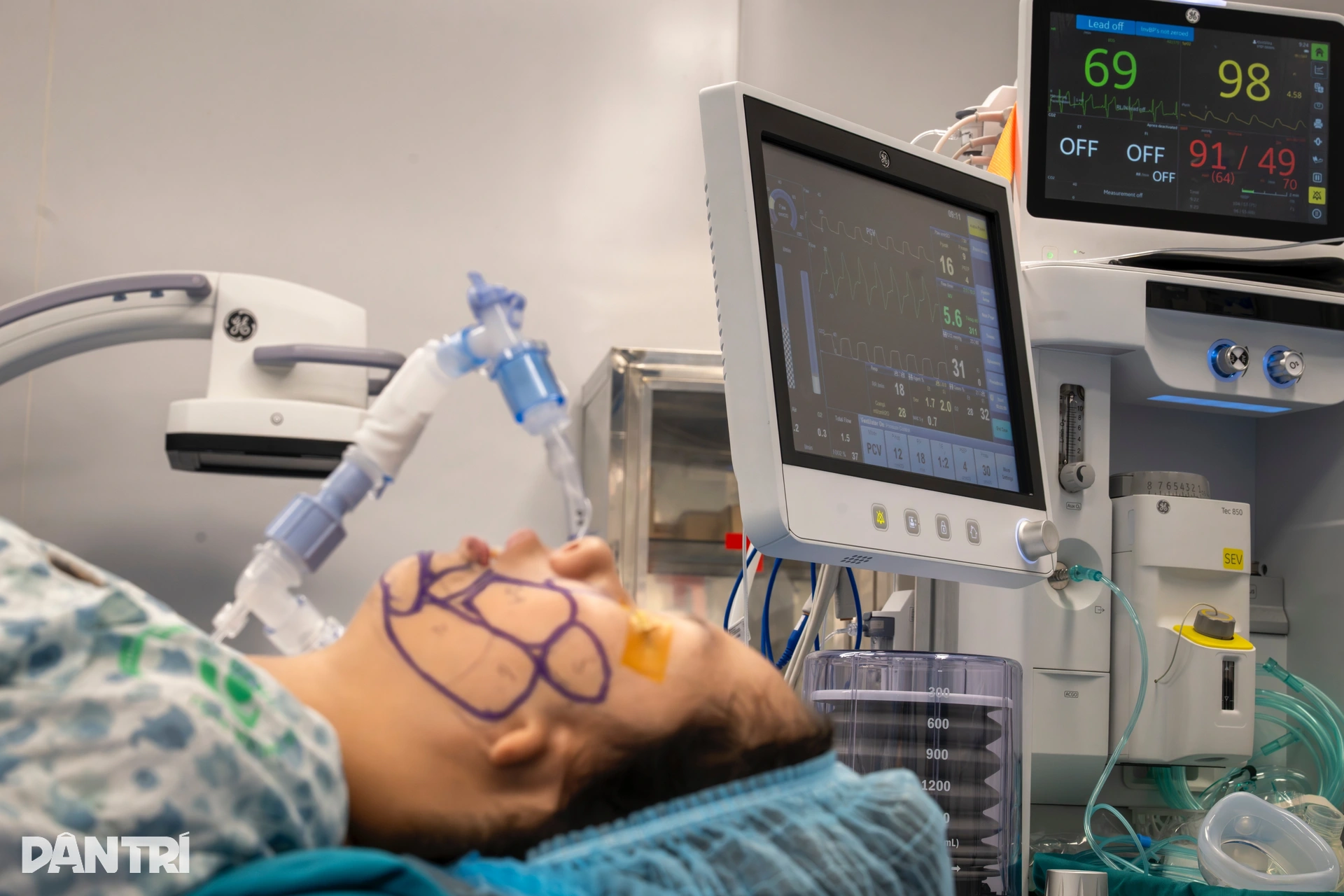
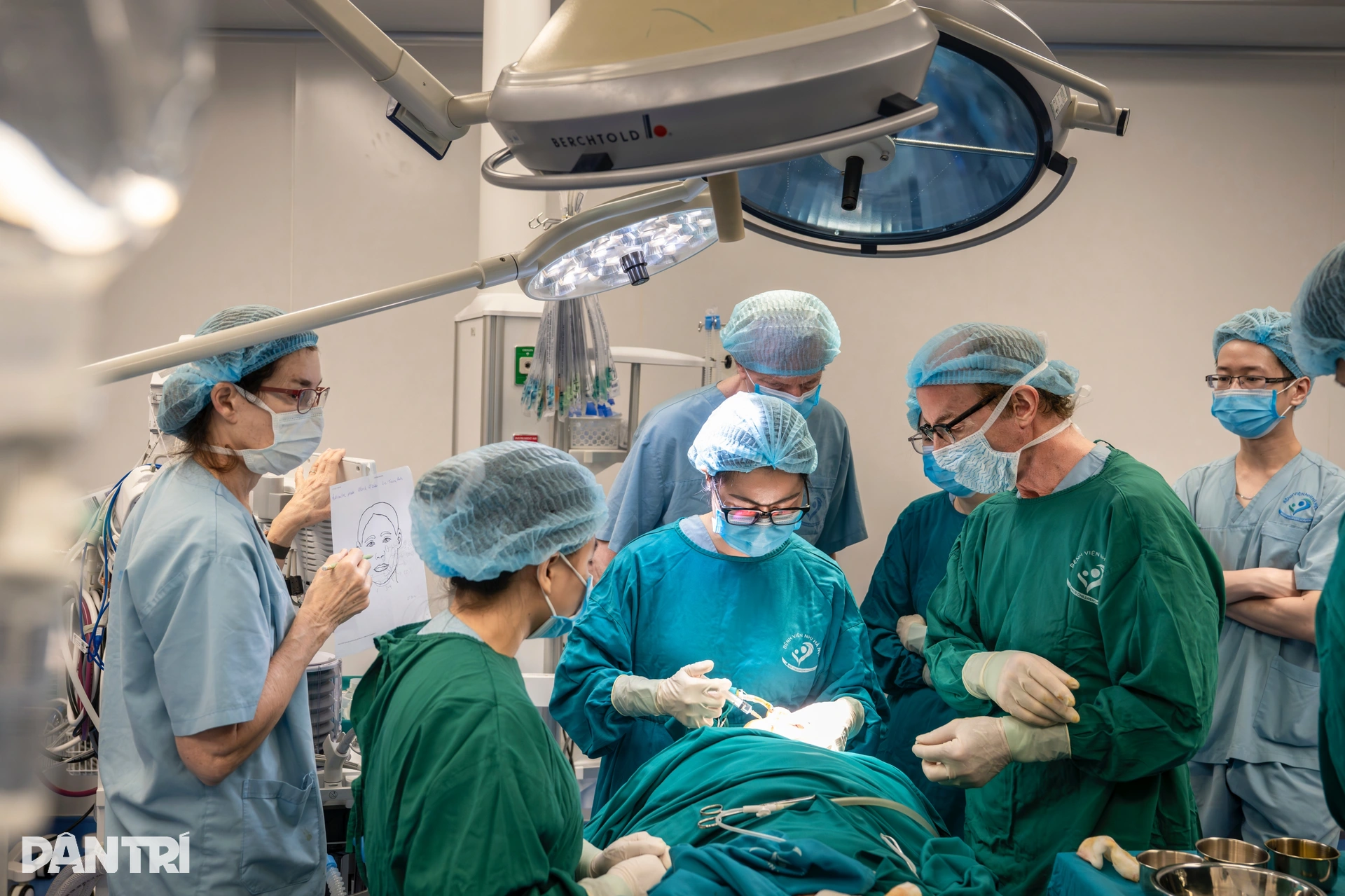
At 8 a.m., the child was taken to the operating room. TA gradually drifted off to sleep after an anesthetic mask was placed over her face. Her body was now connected to various machines to monitor vital signs, and necessary intravenous lines were established.
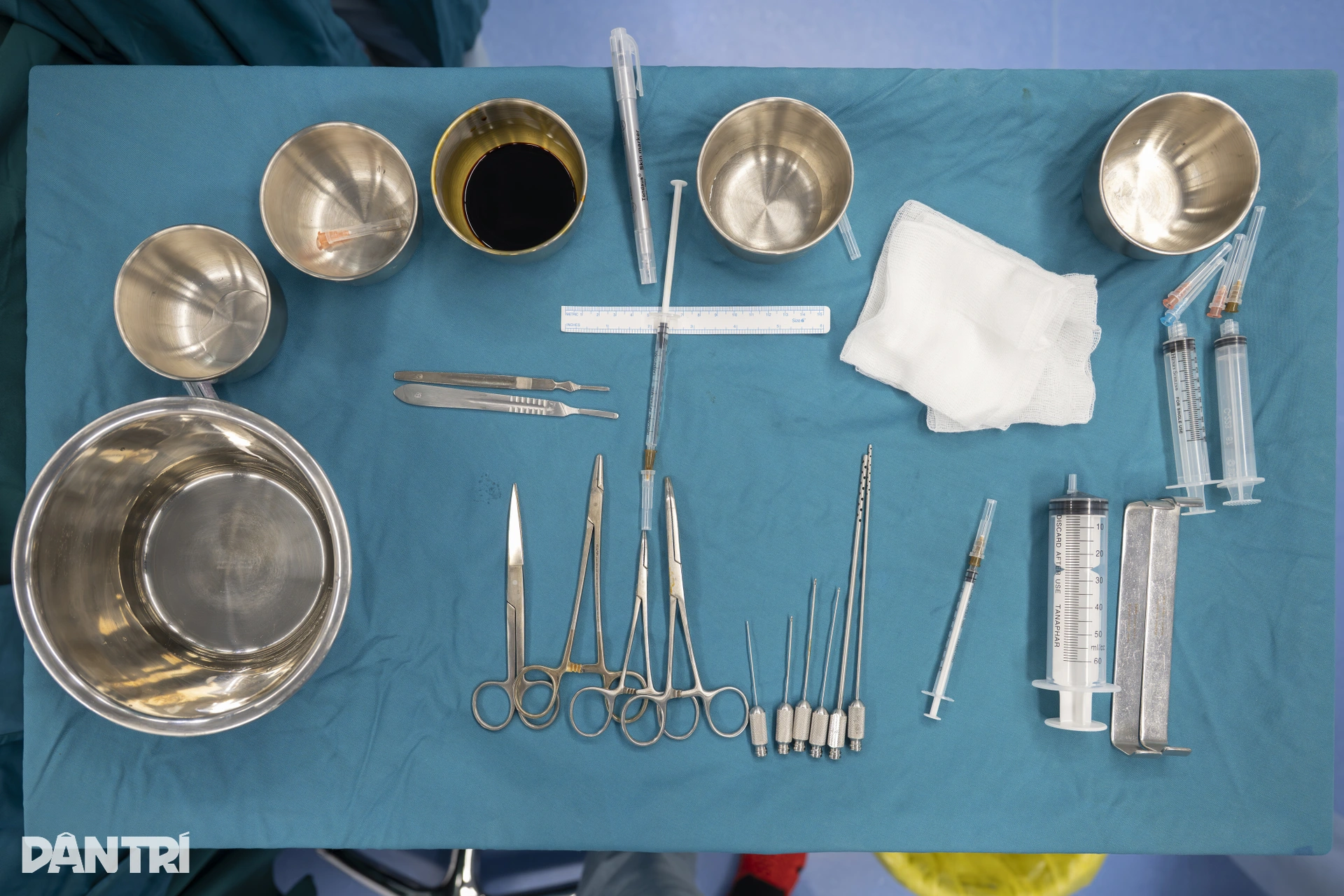
Doctors said the liposuction device used in the surgery was a specialized system, developed with the support of their American colleagues, which helped to obtain high-quality micro-fat particles. The goal was to create a long-lasting tissue graft that would last as the child grew, rather than being quickly absorbed.
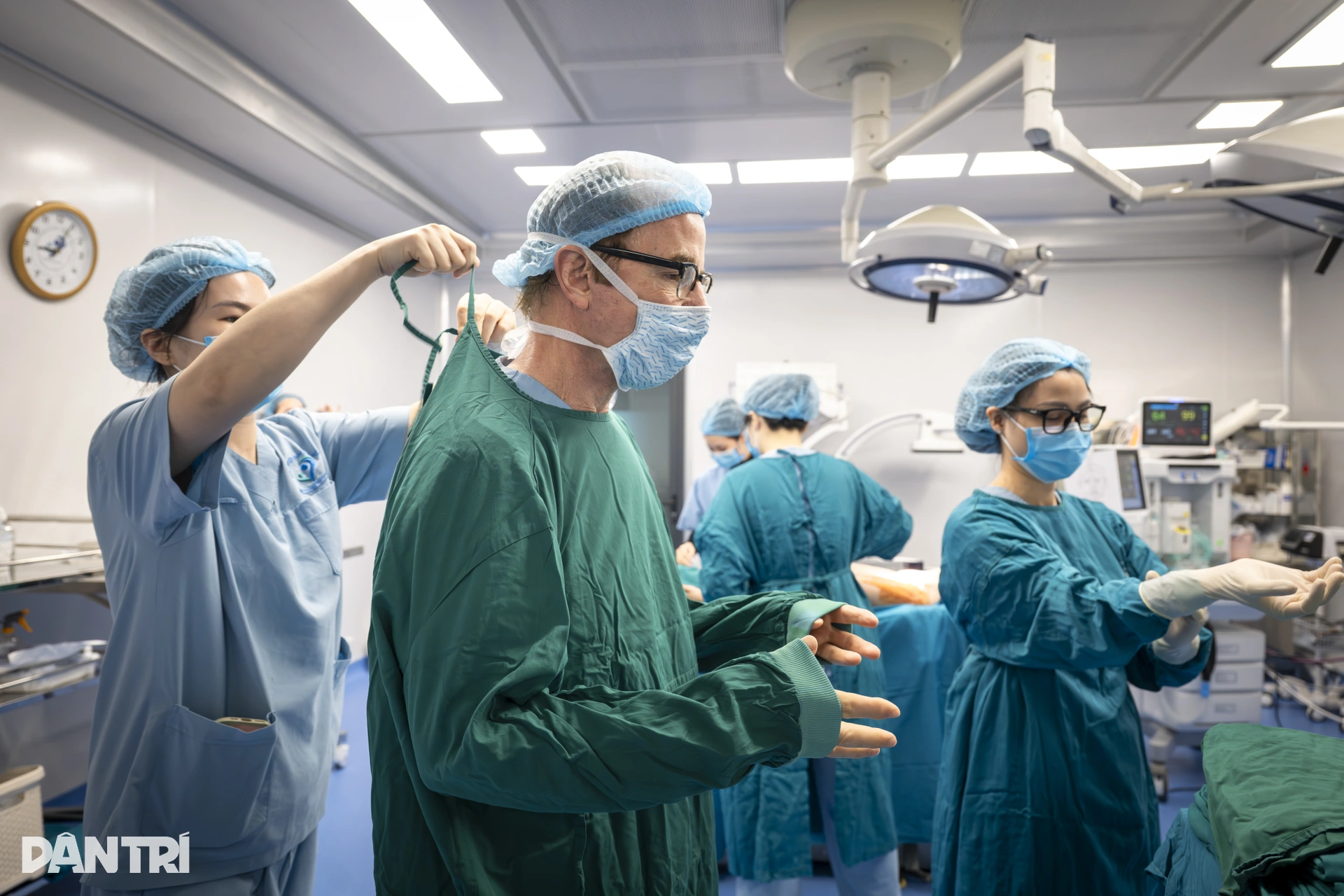
Before the surgery, the entire team reviewed the surgical plan, from the fat harvesting site and handling method to the areas on the face where the fat would be injected. Every step was agreed upon to ensure the surgery was safe and precise.
The team began with the first step: harvesting autologous fat. The thigh area was chosen as the harvesting site. According to Dr. Lan, thigh fat is a type of micro-fat that is suitable for processing, filtering, and grafting onto the face. This technique does not require large incisions, leaves no scars, and uses only very small needles at pre-determined locations.
The coordination between the two sides helped the surgery proceed smoothly. The steps were carried out according to plan, while also being flexibly adjusted according to the actual situation.
Under the operating lights, the doctor uses a specialized, small needle to break down fat tissue and suction it out with careful and decisive movements, in order to minimize cell damage.
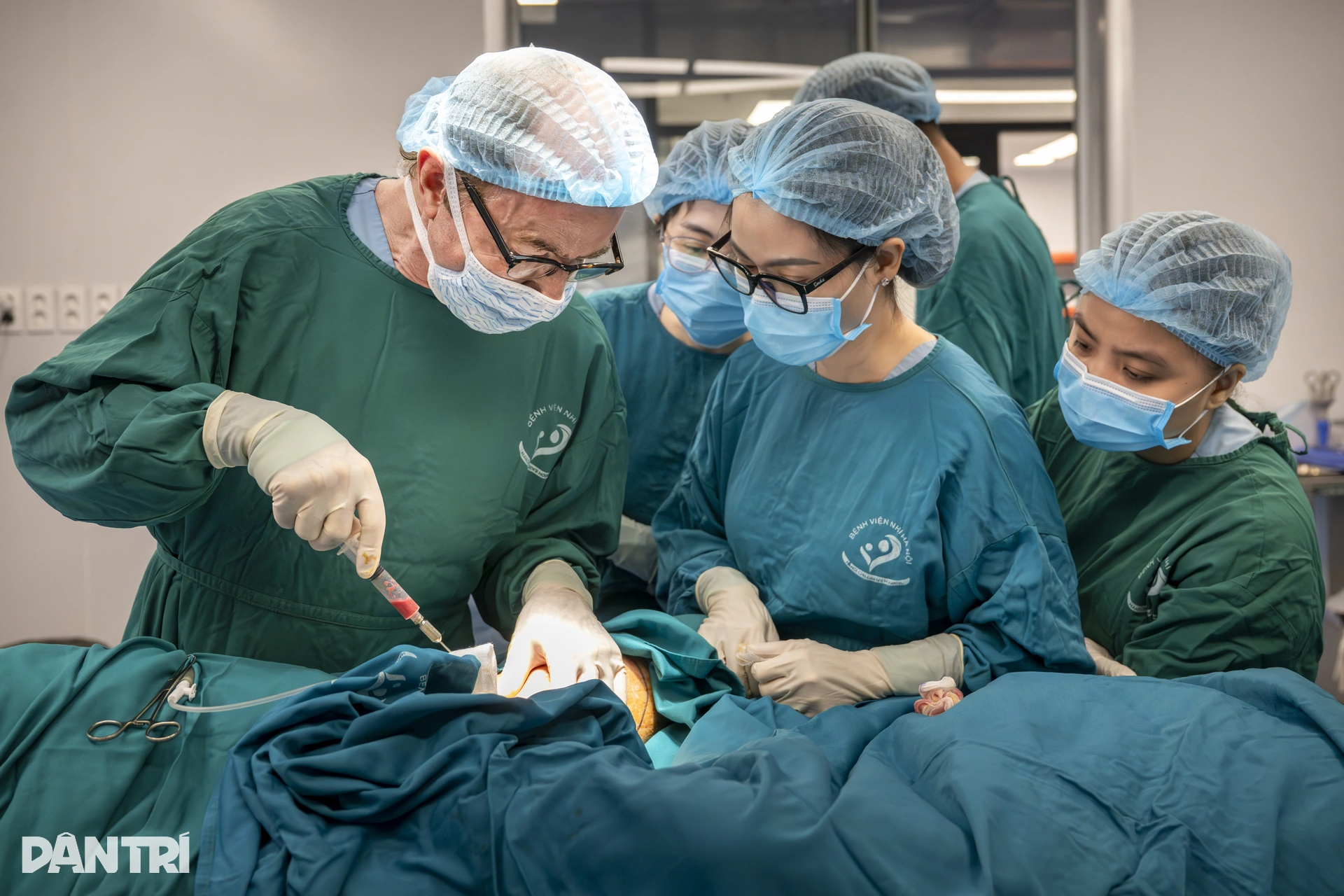
The extracted fat is not immediately applied to the face. The entire amount of fat must undergo a process of spreading, filtering, washing, and careful processing before being divided into several small syringes. A total of 38ml of micro-fat is prepared for the next stage of the surgery.
At 10:25 AM, when the fat syringes were ready, the team moved on to the main phase: injecting fat to sculpt the face.
The left cheek area was treated first. "We designed it very meticulously, calculating how many cc of fat would be injected into the cheek, jawline, and around the cheekbones—everything was done in advance. The goal is to create a more balanced and harmonious face for the child," Dr. Lan said.


Following a pre-determined sketch and plan, tiny amounts of fat were slowly injected into the flat half of her face. Tiny needles passed through the skin, carrying microscopic drops of fat to gradually fill in the gaps that had plagued her for 12 years.
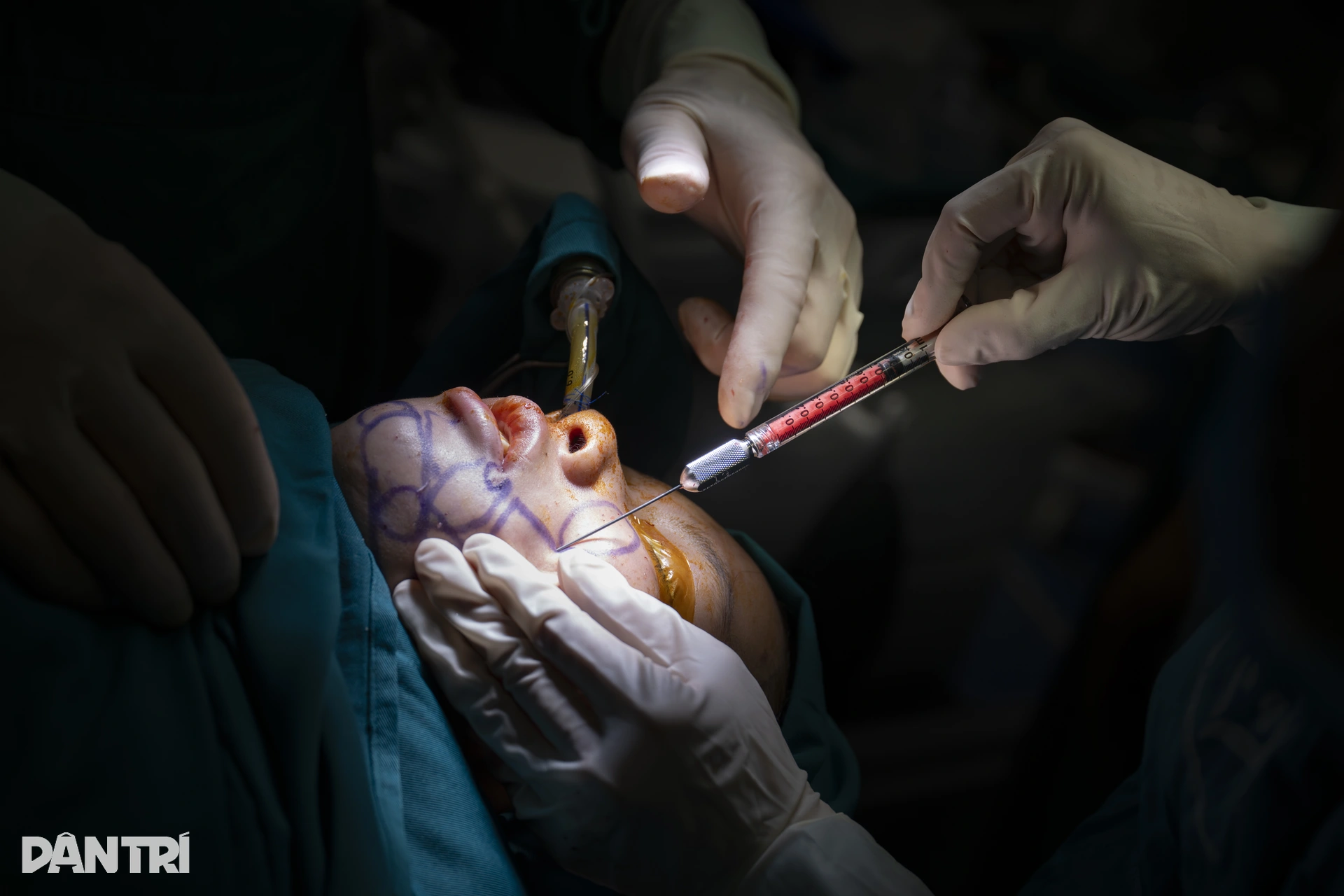
Throughout the surgery, the American expert continuously communicated with the team about the technique and the amount of fat needed. Several times, he directly observed the procedure from various angles, comparing it to the initial design to make necessary adjustments.
Micro-fat grafting is a highly precise procedure. The fat must be injected into the correct layer, area, and volume to ensure both the survival of the graft tissue and a natural appearance. If done hastily or unevenly distributed, the results may not be sustainable and could even cause new tissue imbalances.

After three hours of meticulously measuring and weighing every cc of fat, the left side of the child's face showed significant improvement. The cheek area became less sunken, and the contours of the cheekbones and jawline became softer. The face gradually achieved balance with the other side.
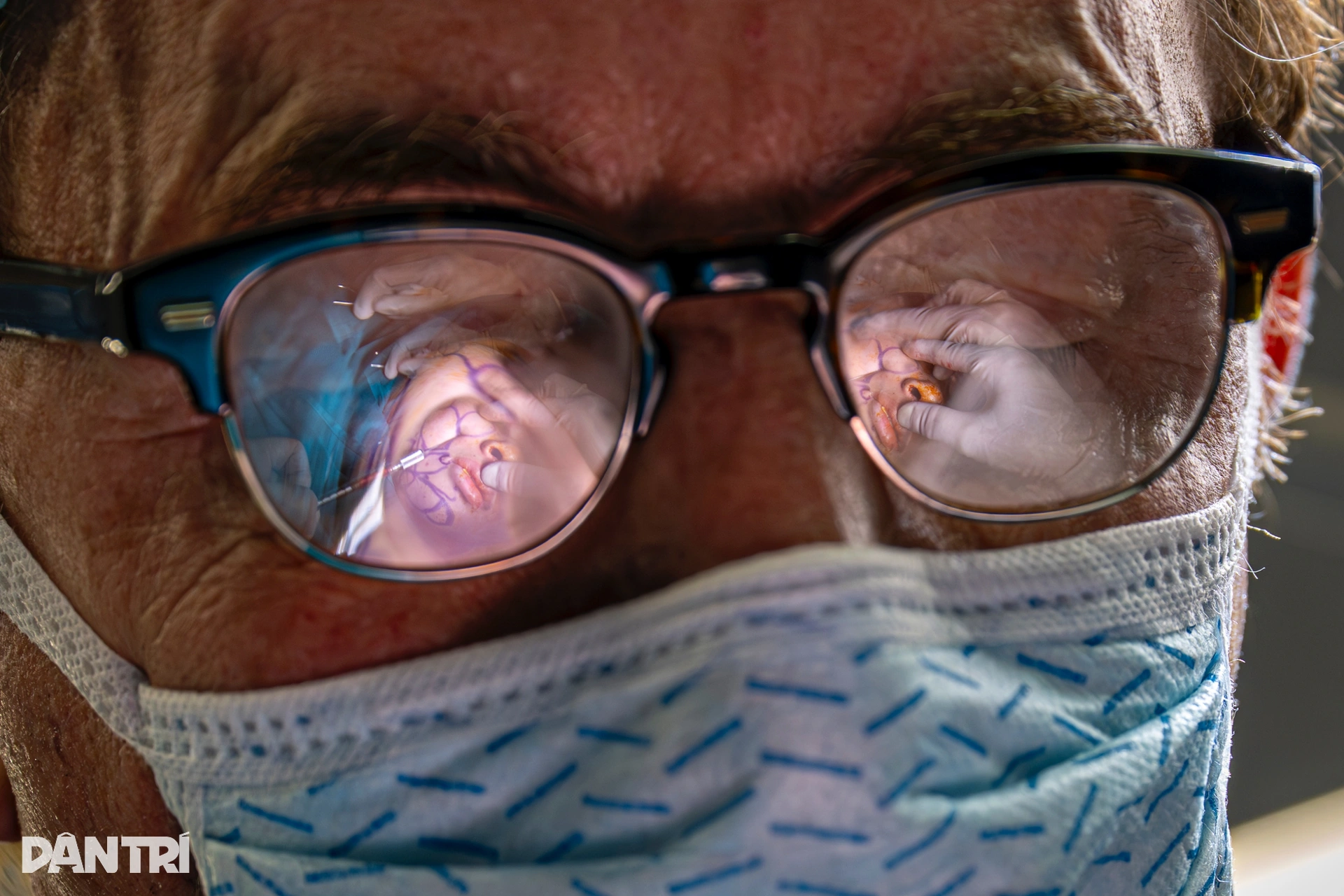
According to Dr. Lan, when the patient reaches adulthood, around 17-18 years old, doctors will perform jawbone correction to completely address the imbalance. As for the ear, if conditions permit, the hospital plans to reconstruct it using rib cartilage in the following year.
For TA's family, the surgery brought much hope.
"We hope for nothing more than for our child to be more confident when going to school and no longer feel insecure like before," Mr. Hien shared.
According to Hanoi Children's Hospital, in March, the hospital welcomed two delegations of international medical experts from the United States and Taiwan (China) for free examinations, consultations, and surgeries for children with congenital deformities.
During this collaborative effort, Vietnamese and international experts are expected to perform surgery on approximately 40 children with complex congenital defects over a two-week period, from March 14th to March 26th.
This is not only an opportunity for many underprivileged children to access advanced treatment techniques, but also a chance for domestic doctors to continue learning and mastering more specialized techniques in treating craniofacial deformities in children.